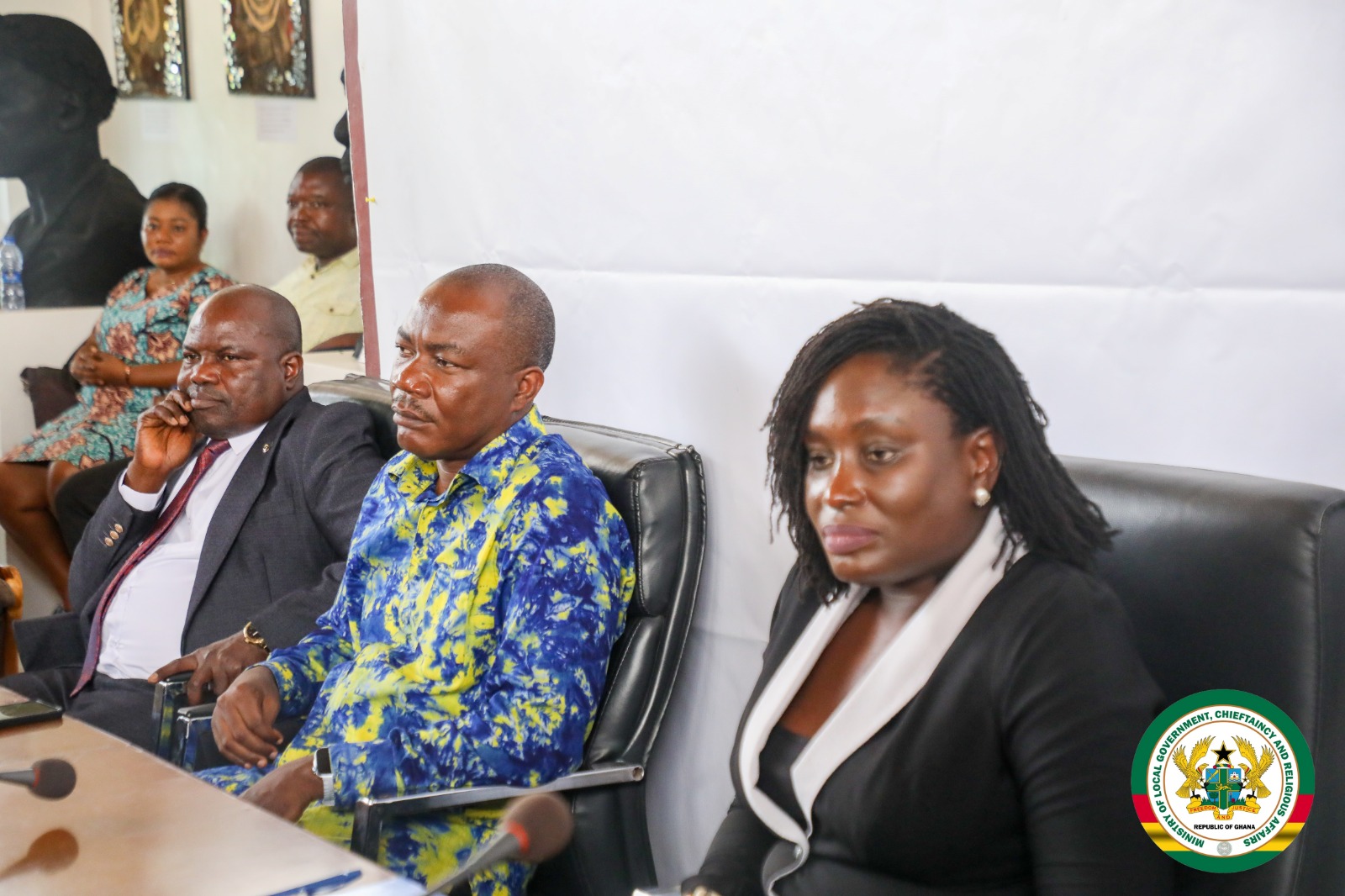
The Ministry of Local Government, Chieftaincy and Religious Affairs has called on traditional authorities to take a more active and decisive role in the fight against child trafficking, stressing that the protection of children must become a shared responsibility of every community.
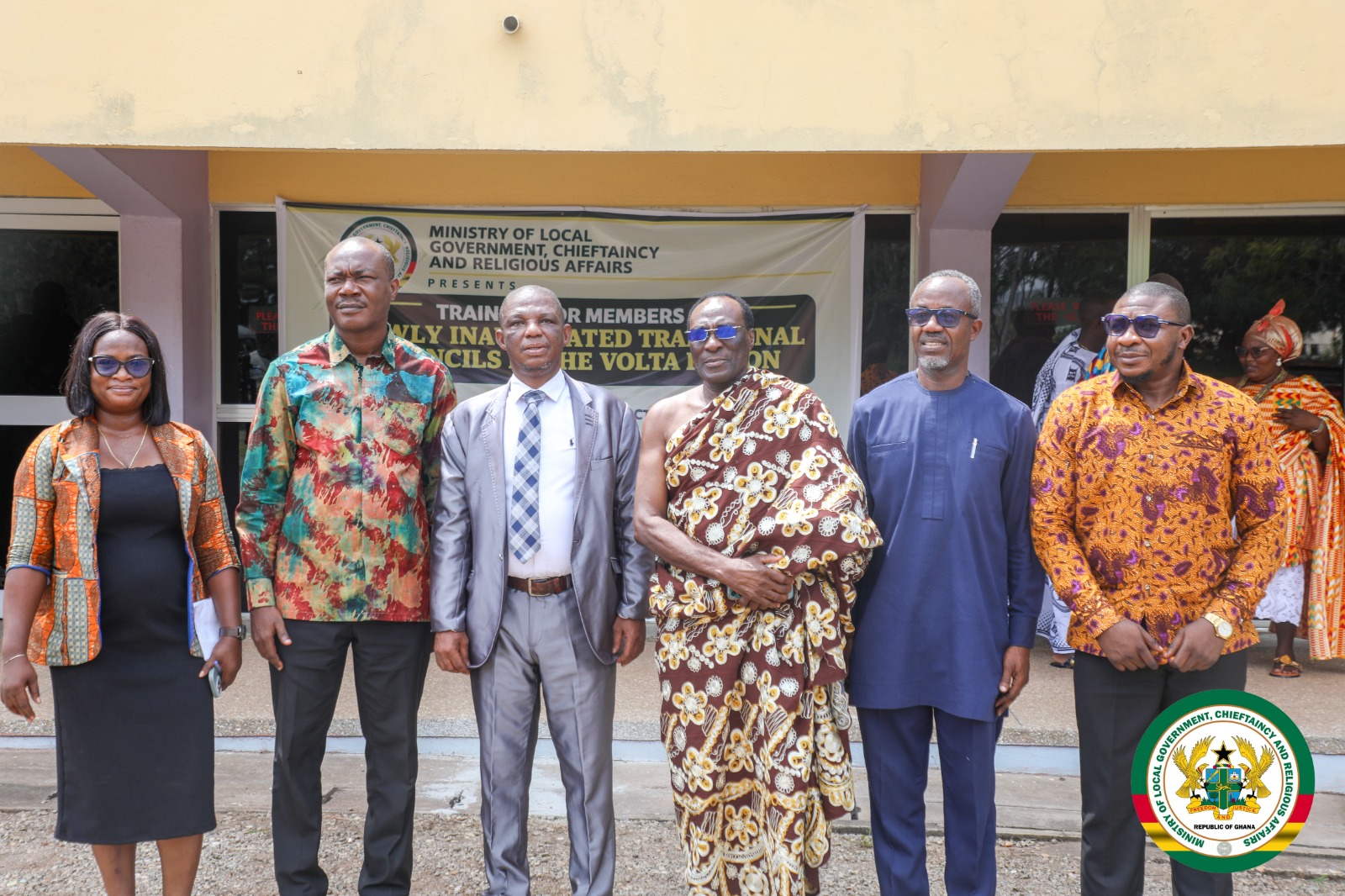
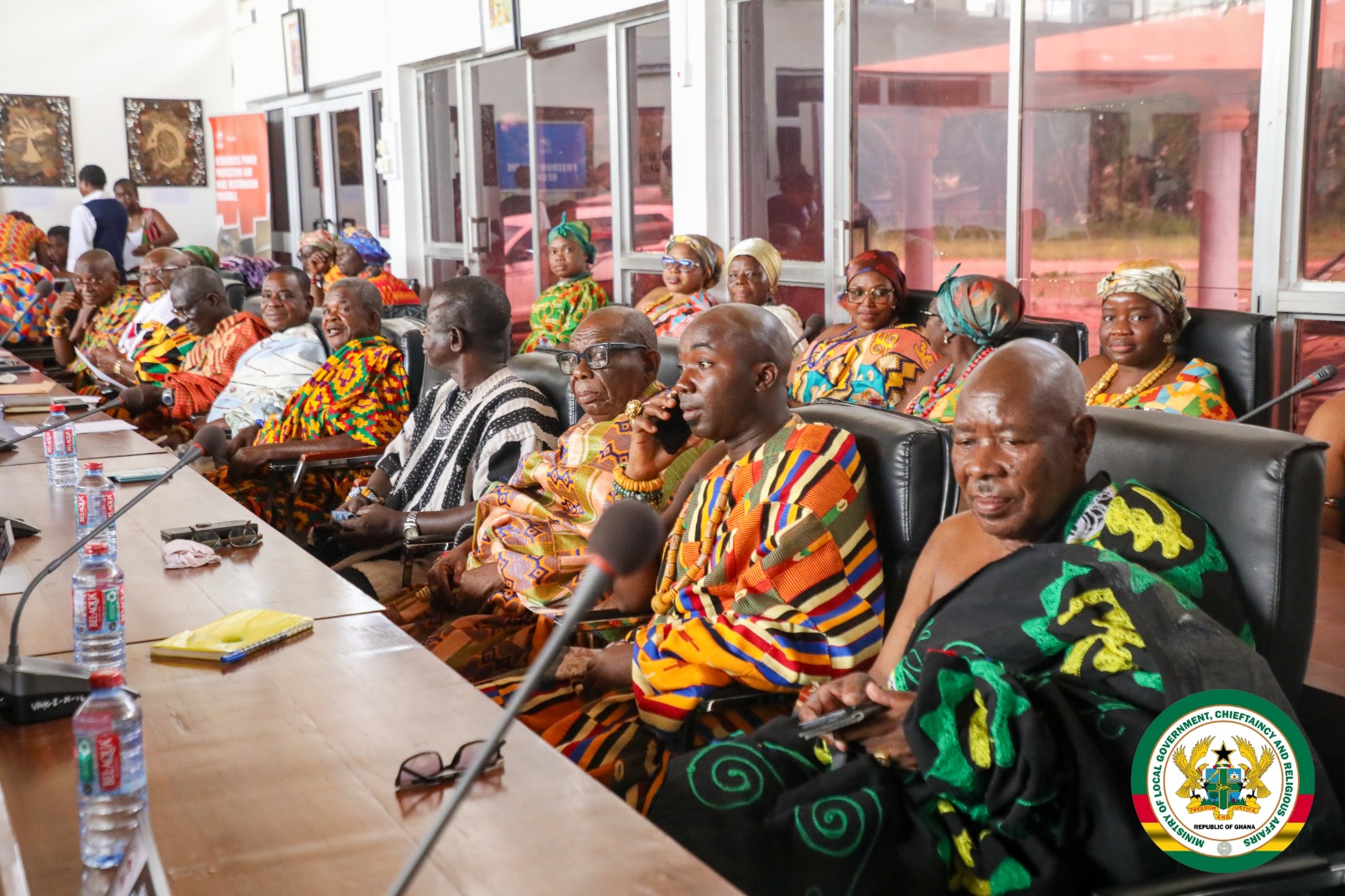
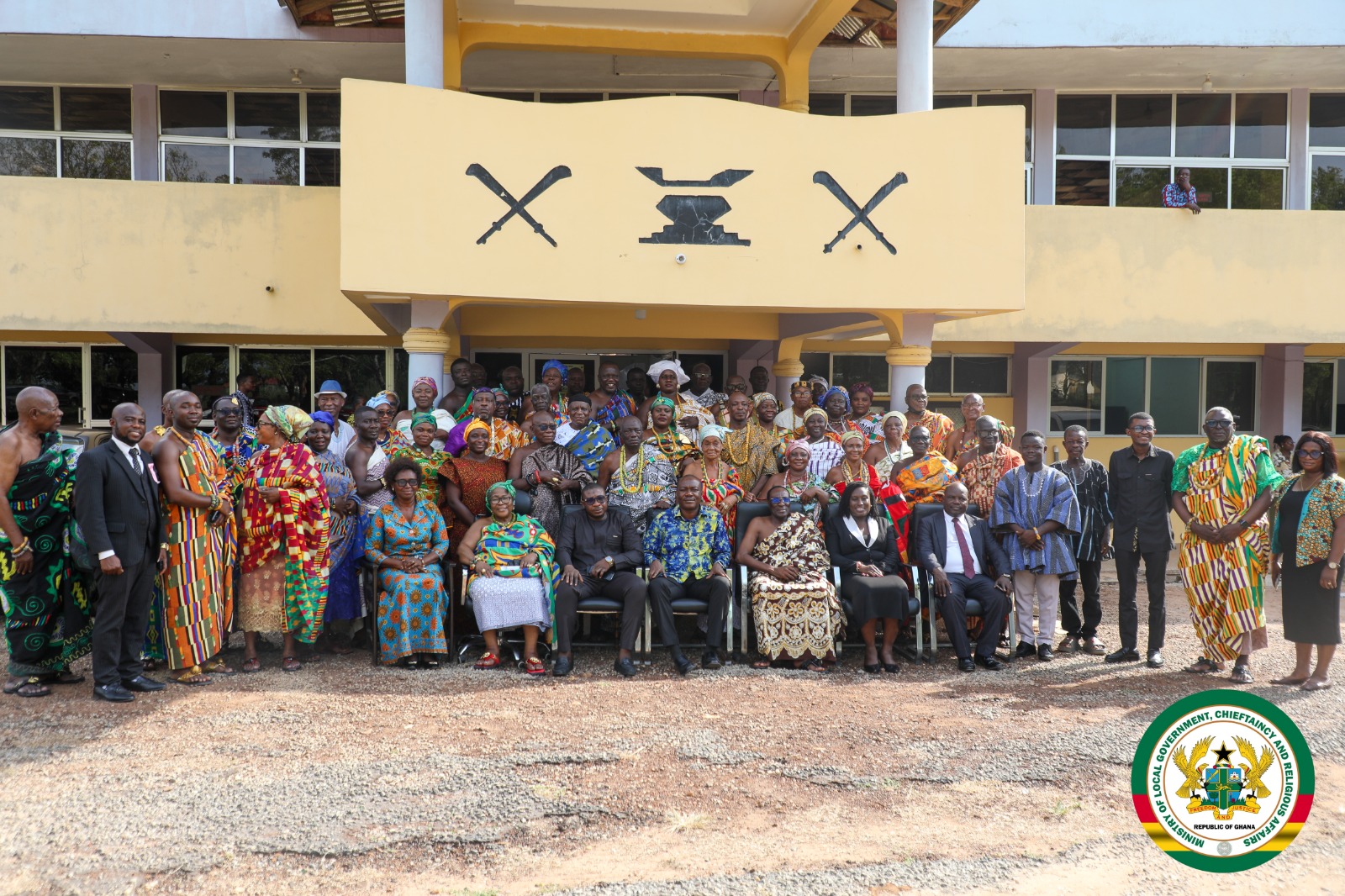
The call was made by the Director in charge of Chieftaincy and Religious Affairs at he Ministry, Mr Baafi Nsiah, during a stakeholder dialogue on child and human trafficking organised for members of the Volta Regional House of Chiefs in Ho on Thursday, October 29, 2026.
The engagement, organised in collaboration with the International Justice Mission (IJM) and the Volta Regional House of Chiefs, sought to deepen understanding of child trafficking, strengthen community-level prevention mechanisms and mobilise traditional authorities to become frontline advocates for child protection.
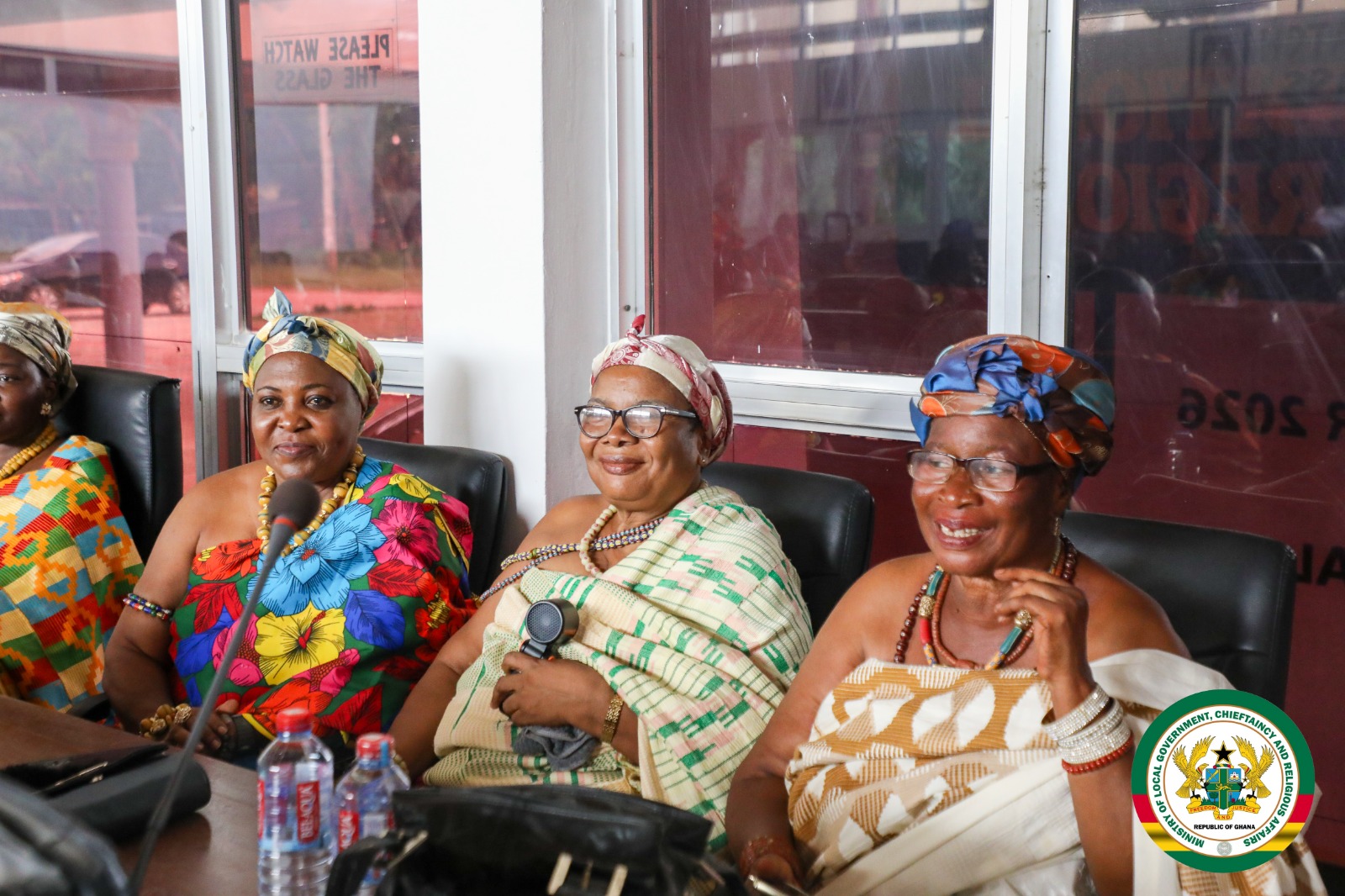
Addressing the gathering, Mr Nsiah underscored the considerable influence chiefs, queen mothers and religious leaders wield within their communities, noting that their positions of trust placed them in a unique position to identify trafficking risks, educate families, challenge harmful practices and encourage the reporting of suspected cases.
He stressed that no child should be deprived of education, family care, freedom or the opportunity to realise their full potential through trafficking and exploitation.
According to him, the fight against human trafficking requires sustained cooperation among traditional authorities, religious institutions, law enforcement agencies, civil society organisations, families and local communities.
Mr Nsiah further highlighted the importance of equipping communities with accurate information about the methods used by traffickers, particularly deceptive promises of employment and educational opportunities, which are sometimes used to lure unsuspecting families and children into exploitative situations.
He commended the International Justice Mission for its partnership and commitment to protecting vulnerable persons, describing the dialogue as an important opportunity for stakeholders to share experiences, strengthen institutional collaboration and translate discussions into practical interventions.
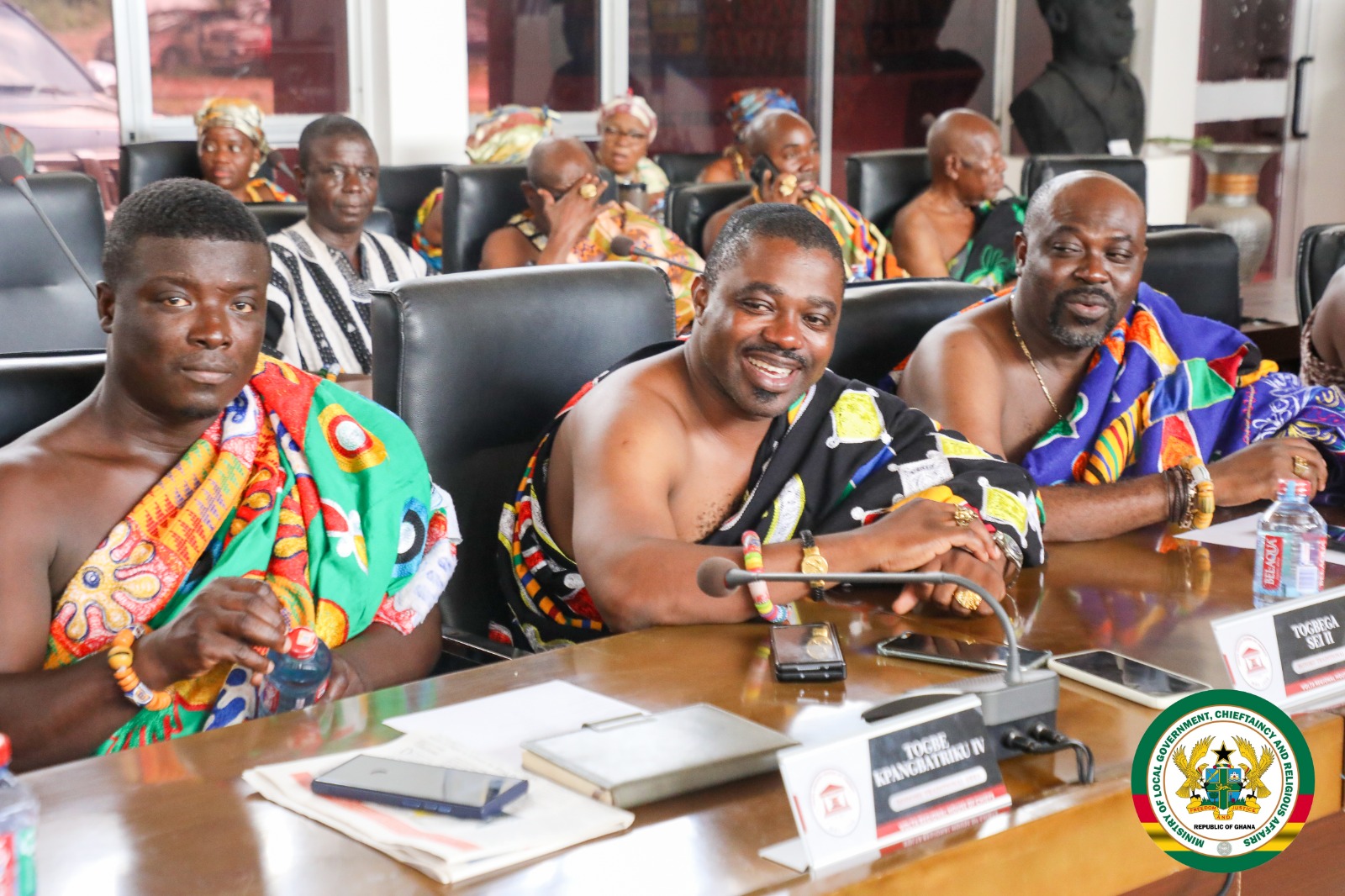
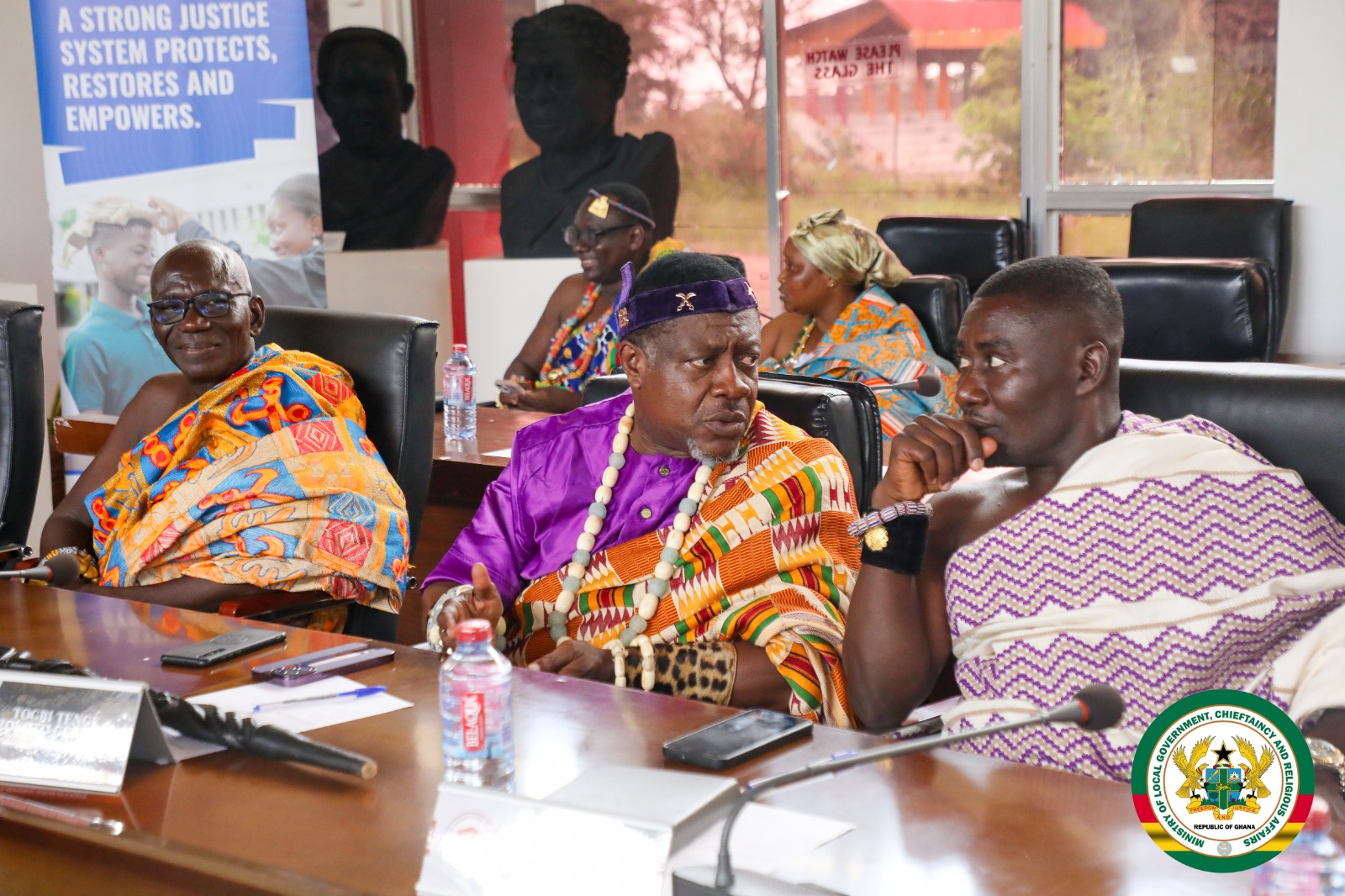
The President of the Volta Regional House of Chiefs and Paramount Chief of the Anfoega Traditional Area, Togbega Tepre Hodo IV, called for urgent and coordinated national action to address child trafficking, warning that failure to confront the practice could have serious consequences for the country's future.
He emphasised the need for comprehensive measures that would make trafficking unprofitable for criminal networks and called for stronger punitive sanctions to serve as a deterrent to perpetrators.
His remarks reinforced the need for a response that goes beyond public education to include effective law enforcement, accountability and the protection of victims and survivors.
Also contributing to the discussion, the Director of the West Africa Programme of the International Justice Mission, Madam Anita Budu, stressed that law enforcement and rescue operations alone would not be sufficient to eliminate child trafficking.
She called for greater community vigilance and the active involvement of traditional leaders, families and other local actors, noting that chiefs and queen mothers were often among the first people approached when concerns arose within communities.
She also highlighted the importance of survivor rehabilitation and reintegration, explaining that efforts to combat trafficking must extend beyond rescuing victims to supporting their recovery and helping them rebuild their lives.
Source: Chantal Aidoo
Public Relations Unit, MLGCRA