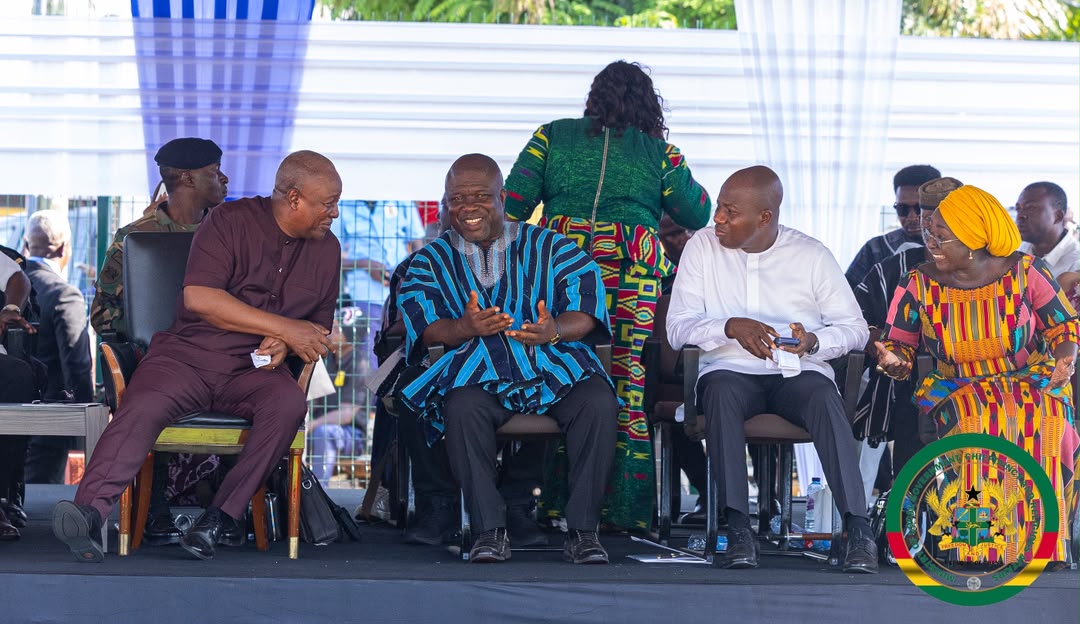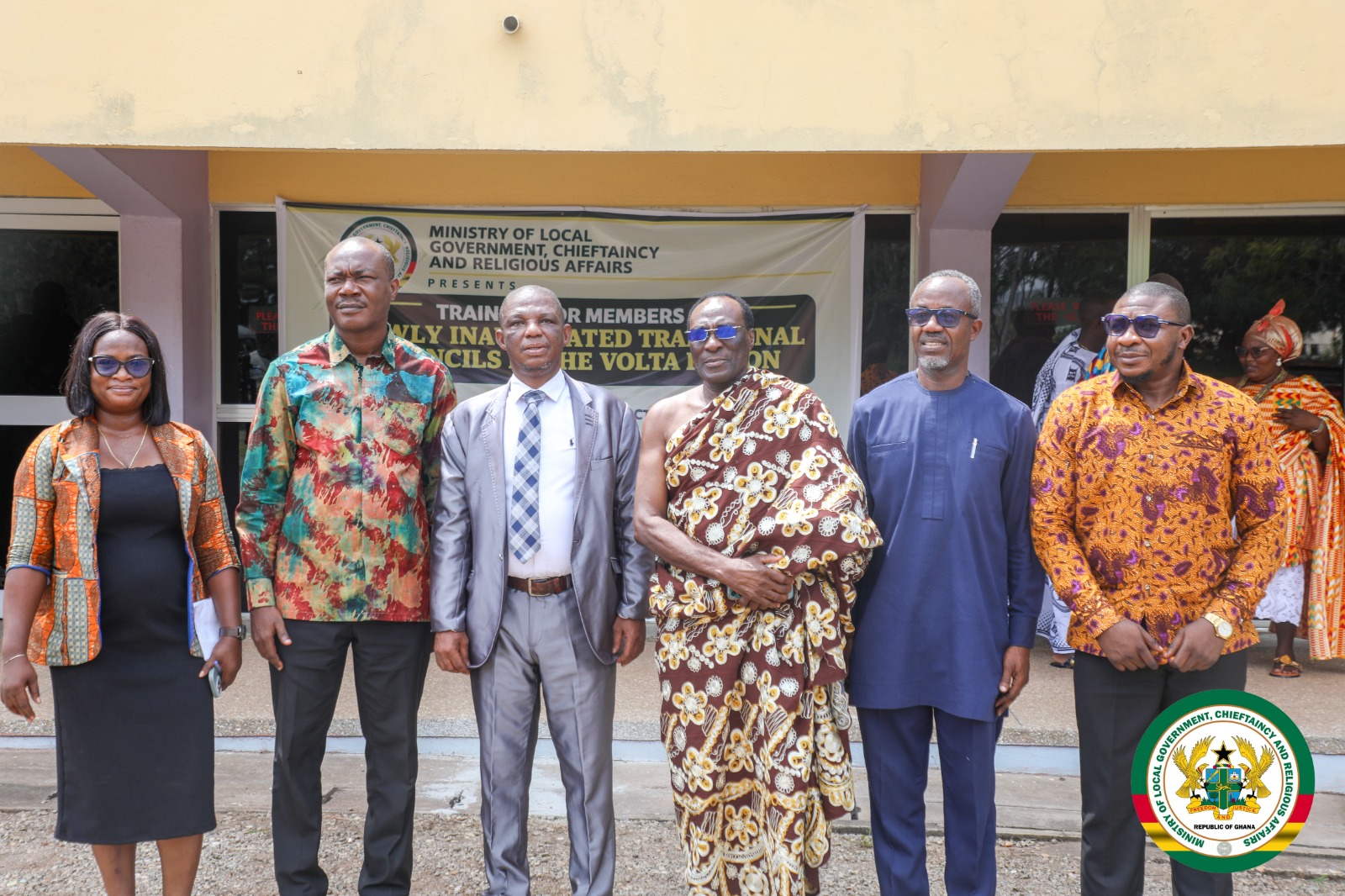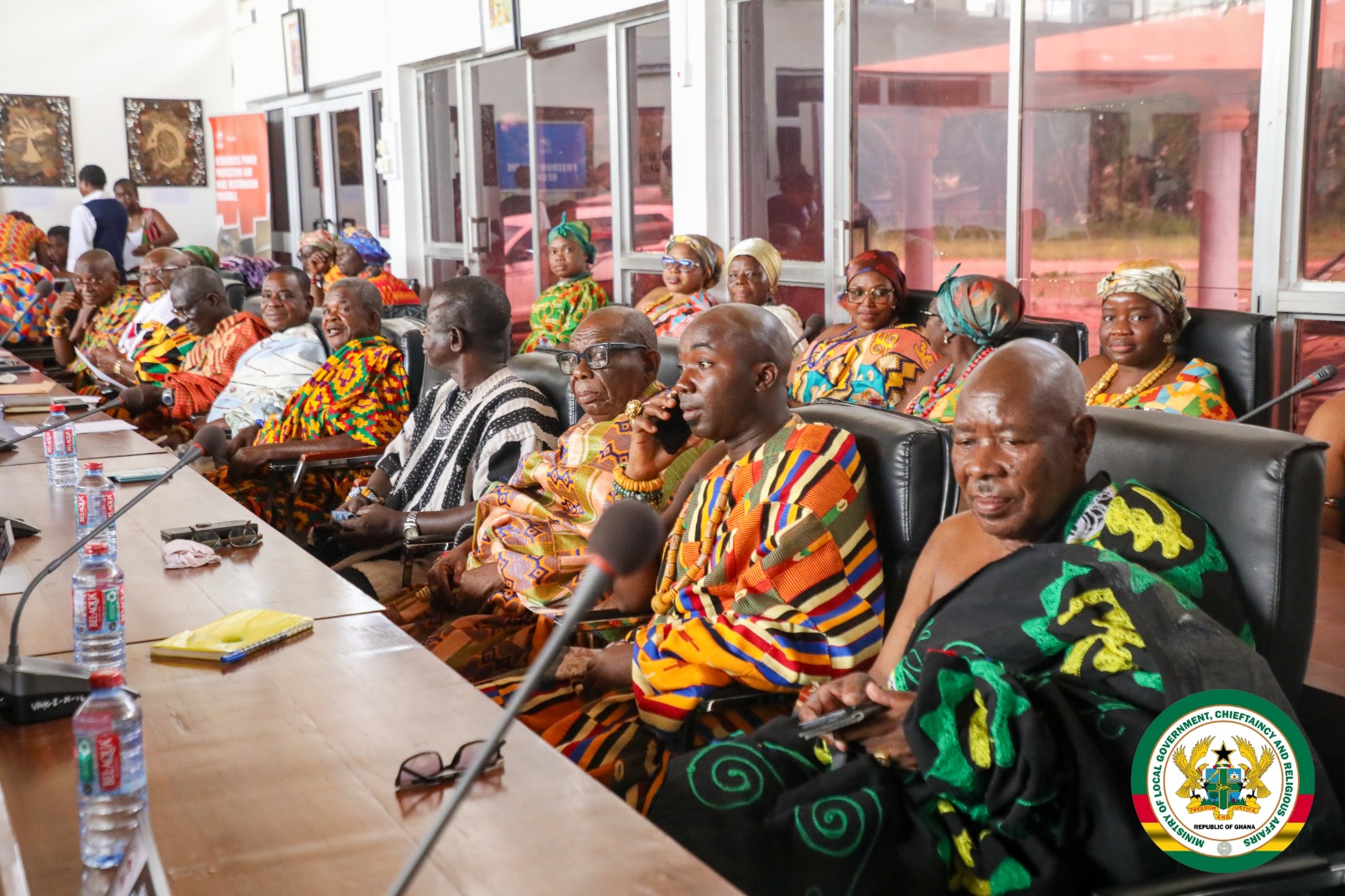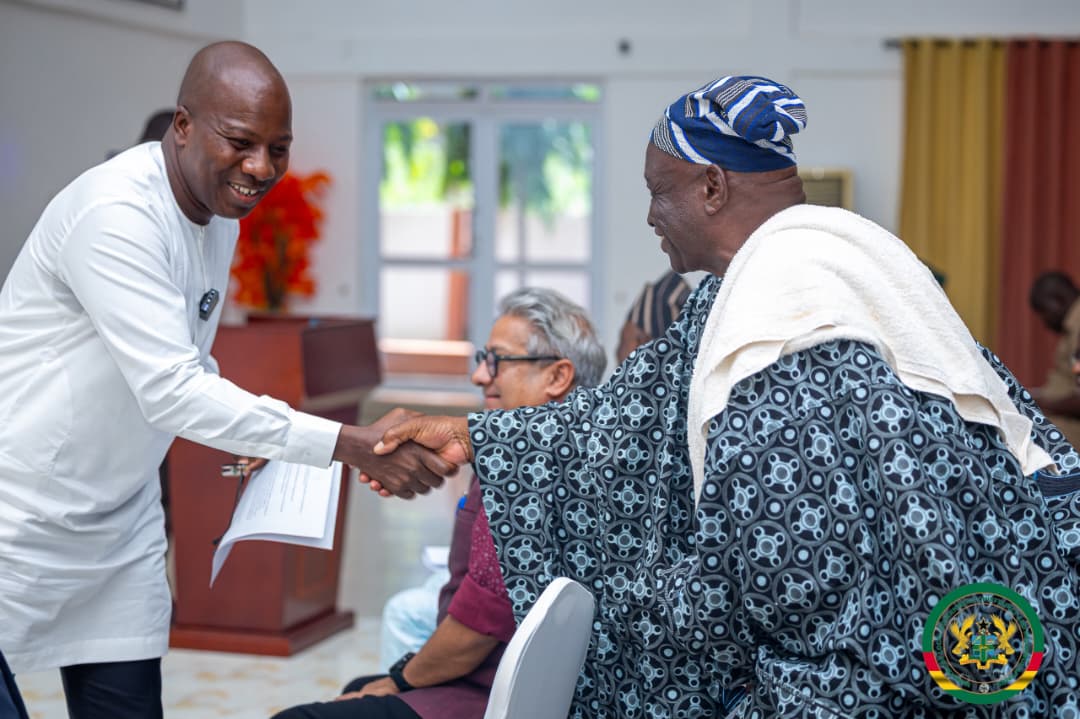
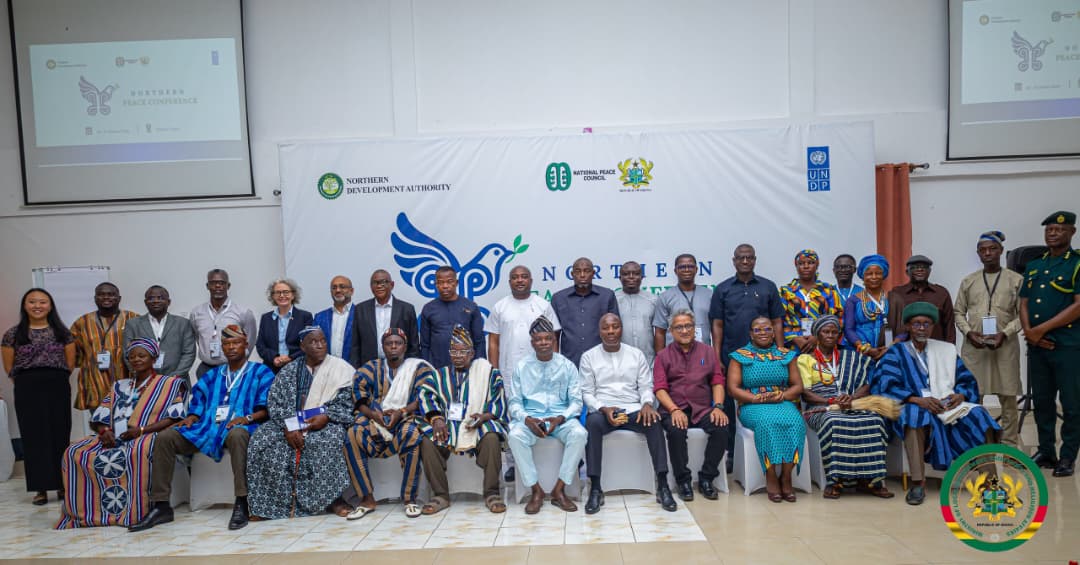
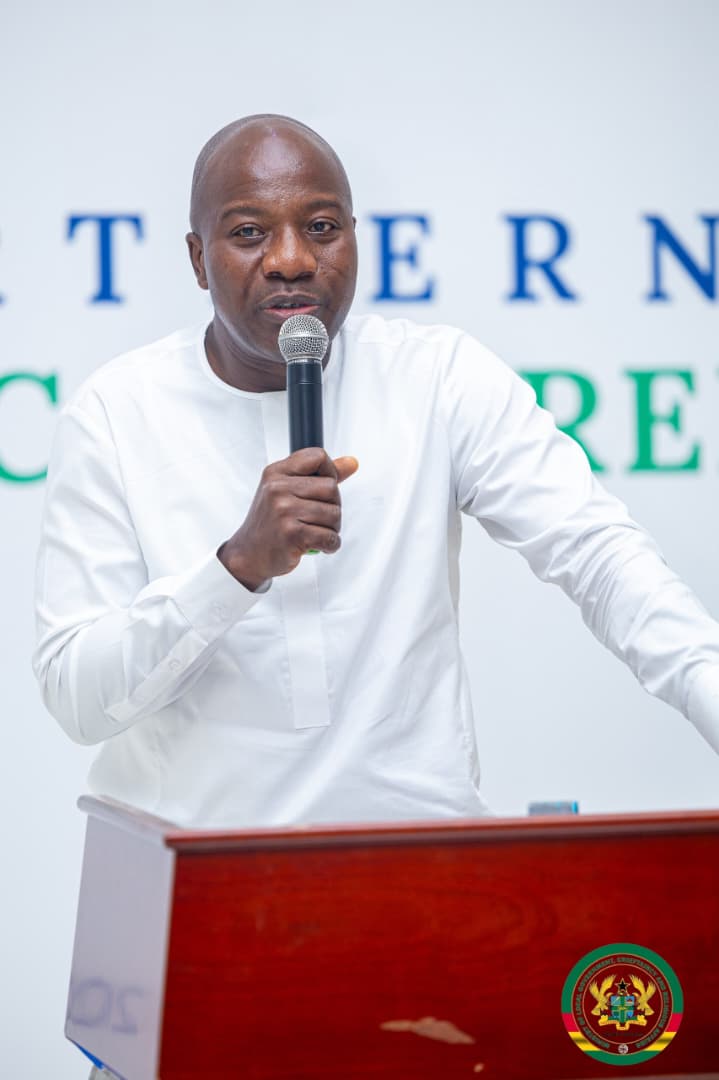
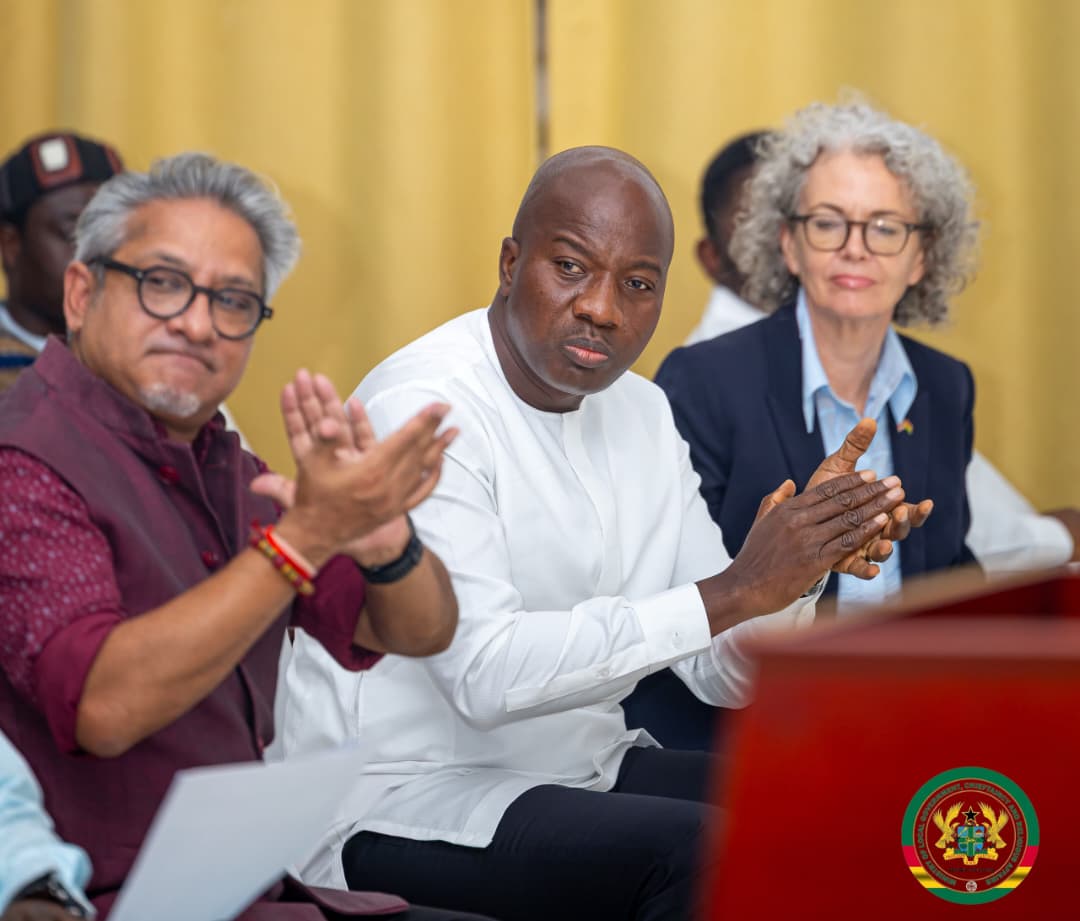
The Minister for Local Government, Chieftaincy and Religious Affairs, Hon. Mahama Ayariga (MP), has called for increased government and development partner investment in the Regional and National Houses of Chiefs to accelerate the resolution of chieftaincy disputes and strengthen lasting peace in Northern Ghana.
Delivering the keynote address at the Northern Peace Conference in Tamale on Monday, October 26, 2026, the Minister stressed that unresolved chieftaincy disputes and land-related conflicts remain major sources of instability in the northern part of the country and must receive greater attention in national peacebuilding efforts.
He noted that while considerable attention is often given to religious conflicts, many disputes in the North are rooted in chieftaincy and land ownership issues, which, if left unresolved, can escalate into violent confrontations.
Hon. Ayariga argued that investing in traditional dispute-resolution institutions would be a cost-effective preventive measure compared with the significant resources spent managing conflicts after they erupt. He explained that timely resolution of disputes would help establish clarity over traditional authority and land ownership, reducing grievances and the risk of violence.
The Minister also proposed greater use of eminent chiefs as mediators in communities where tensions exist but no formal disputes have been presented before the relevant traditional institutions. He called for discussions at the conference on how respected traditional leaders could be supported to address underlying grievances before they develop into open conflicts.
According to him, strengthening the peace architecture requires a deliberate shift towards prevention, early intervention and locally driven solutions that respond to the realities of communities.
Beyond traditional dispute resolution, Hon. Ayariga identified economic development, particularly agriculture and agro-processing, as a critical pillar of sustainable peace in Northern Ghana.
He explained that the Friends of Northern People, a bipartisan group of Members of Parliament formed in Tamale in July 2025, had adopted economic development and peace as the two central pillars of its agenda for the development of the North.
Following a conference at the University for Development Studies (UDS), the group worked with regional ministers and development partners to explore opportunities for agricultural transformation, industrial development and value addition. The initiative also involved visits to factories and agricultural facilities to study models that could be adapted to the northern regions.
The Minister disclosed that strategic lands had subsequently been identified across the five northern regions in collaboration with the relevant Development Authority as potential starting points for the group's development strategy.
He said creating economic opportunities, engaging young people productively and strengthening local economies would reduce the incentives for violence and make communities more resilient to conflict.
Hon. Ayariga further highlighted the government's commitment to channelling development resources to the local level, noting that the President had directed that more than 80 per cent of the District Assemblies Common Fund be allocated directly to district assemblies to support development activities and local economic development.
He urged district assemblies to translate available resources into tangible economic opportunities, stressing that funds must be deployed strategically to improve livelihoods and strengthen community stability.
The Minister indicated that the government's development priorities would increasingly emphasise infrastructure and investments that support local economic activities, including markets, agricultural production, processing and other strategic enterprises.
He explained that while infrastructure such as markets remains important, equal attention must be given to investments that enable local producers to add value to their output, retain more economic benefits within their communities and build sustainable livelihoods.
He cited ongoing investments in markets and other infrastructure across the country as part of efforts to expand the state's presence, stimulate economic activity and improve living conditions.
Hon. Ayariga welcomed the participation of government agencies, traditional authorities, development partners and international institutions at the conference, describing the platform as an important opportunity to build consensus on a practical and sustainable peace strategy for Northern Ghana.
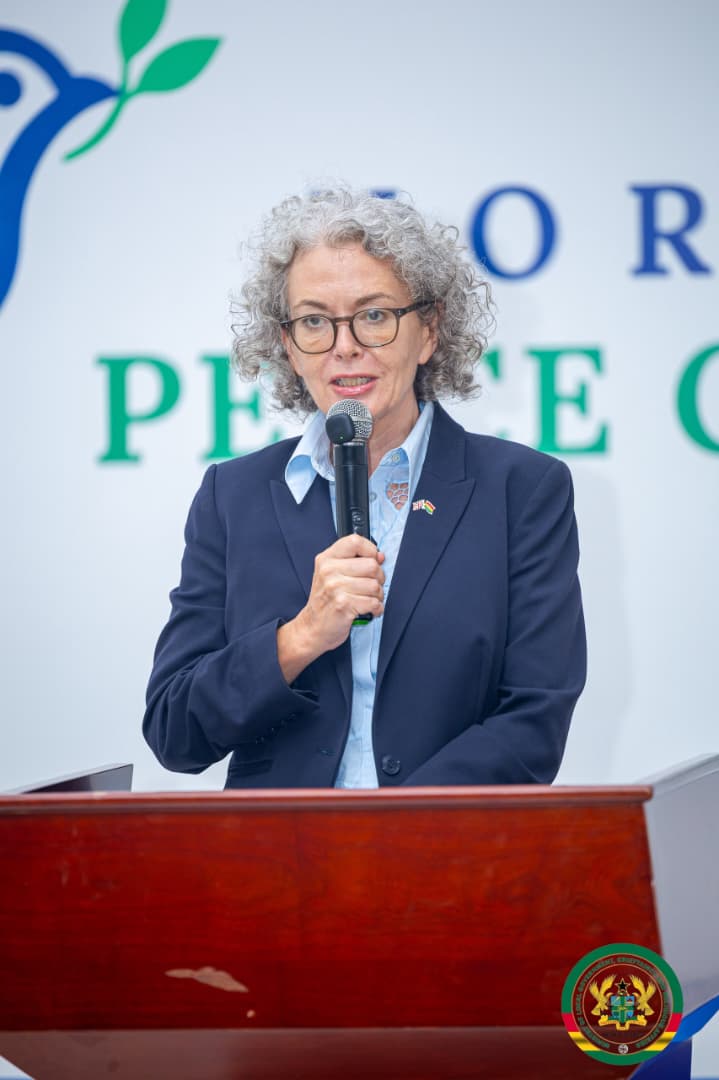
He acknowledged the role of the United Nations Development Programme (UNDP) and other development partners in supporting peacebuilding initiatives and called for stronger collaboration among stakeholders to address both the immediate causes of conflict and the underlying conditions that sustain it.
The Minister also urged participants to use the conference's breakout sessions to examine why some groups resort to escalating violence, identify effective preventive measures and assess how economic development can contribute to reducing conflict.
He called for the conference to become an annual event, with broader participation and periodic reviews to measure progress and strengthen implementation of agreed strategies.
Hon. Ayariga expressed hope that the discussions would produce a shared roadmap for lasting peace, anchored in adequately resourced traditional institutions, effective mediation, inclusive economic development and stronger community-level interventions.
He reiterated that sustainable peace in the North would require more than security interventions, emphasising that resolving longstanding disputes, addressing grievances and creating meaningful economic opportunities must form an integral part of the national peacebuilding agenda.
Source : Chantal Aidoo
Public Relations Unit ,MLGCRA