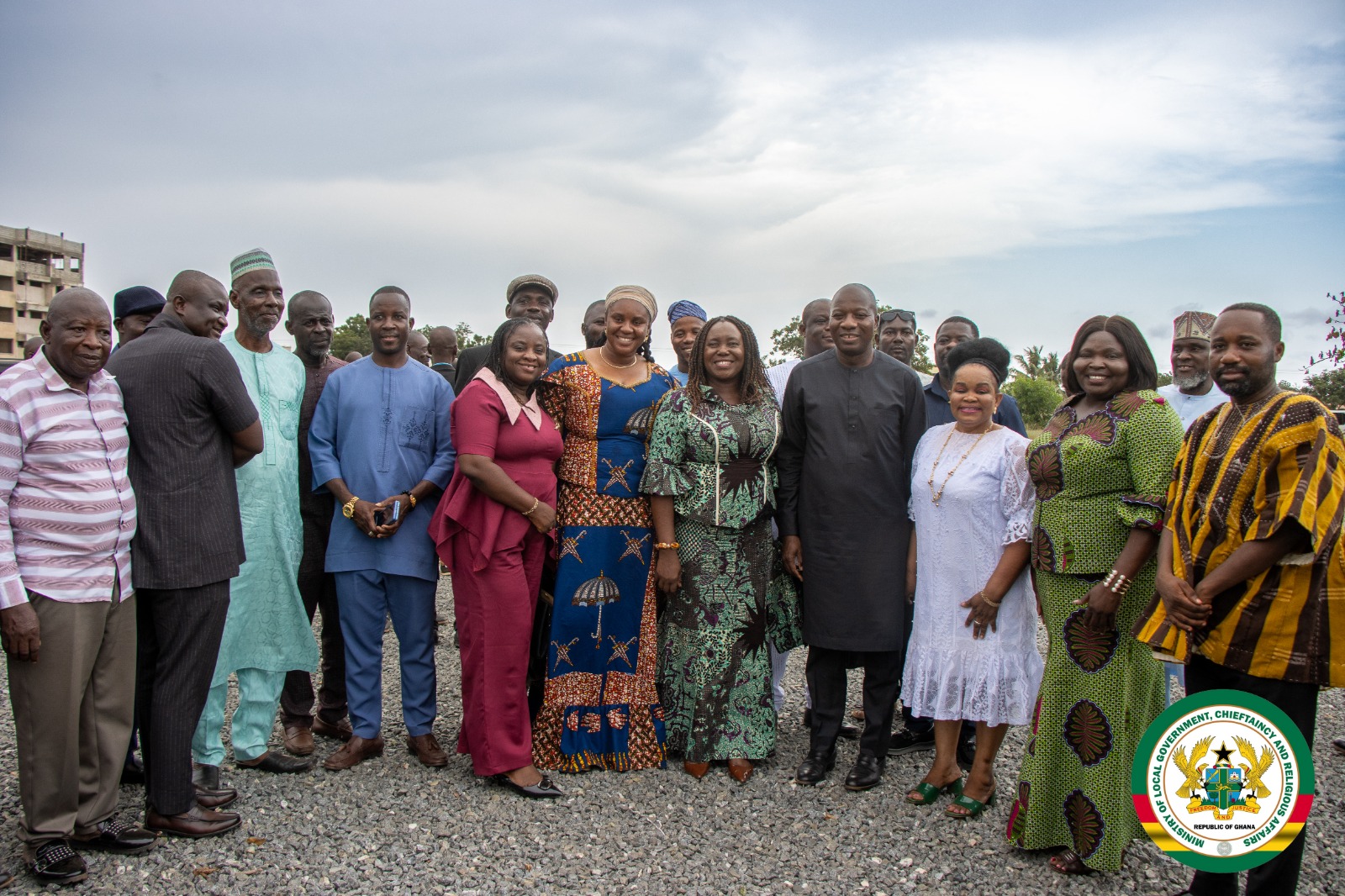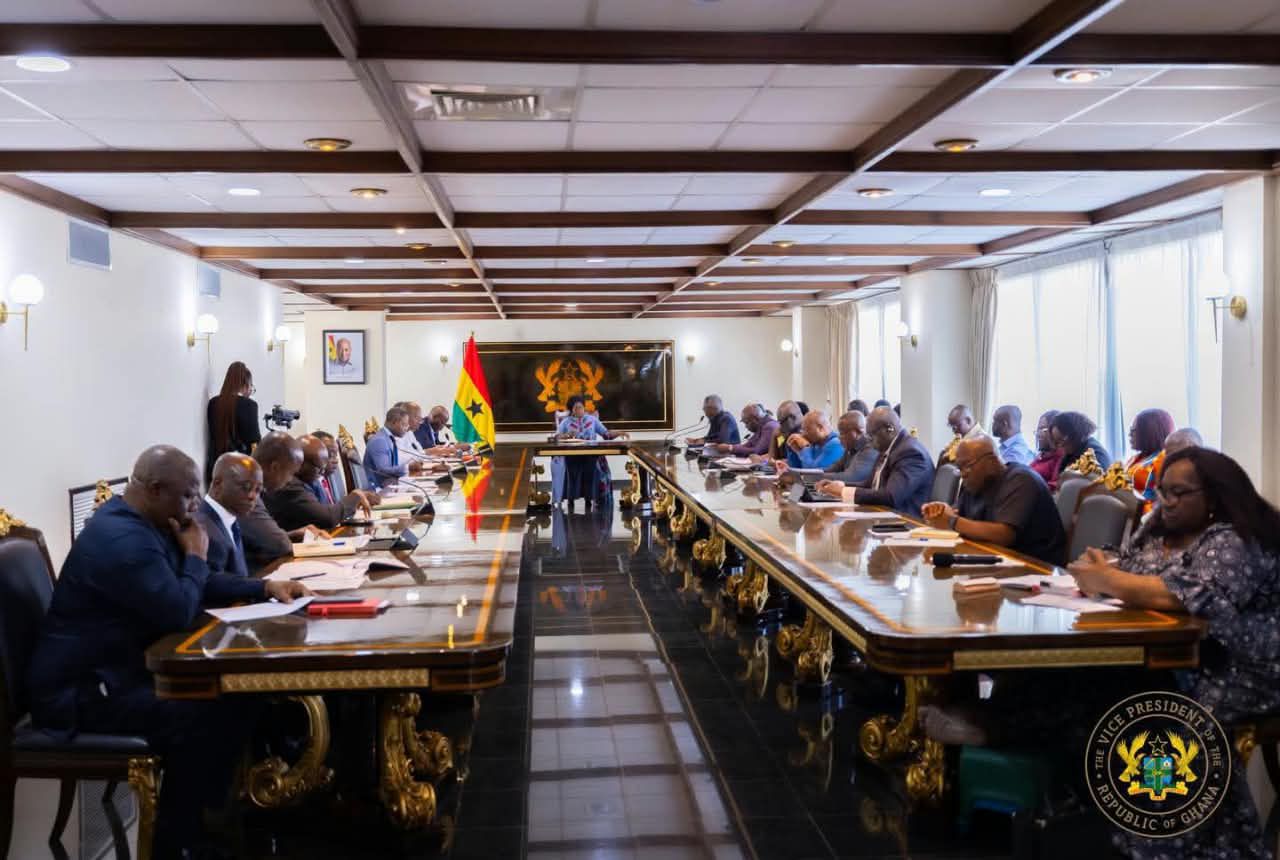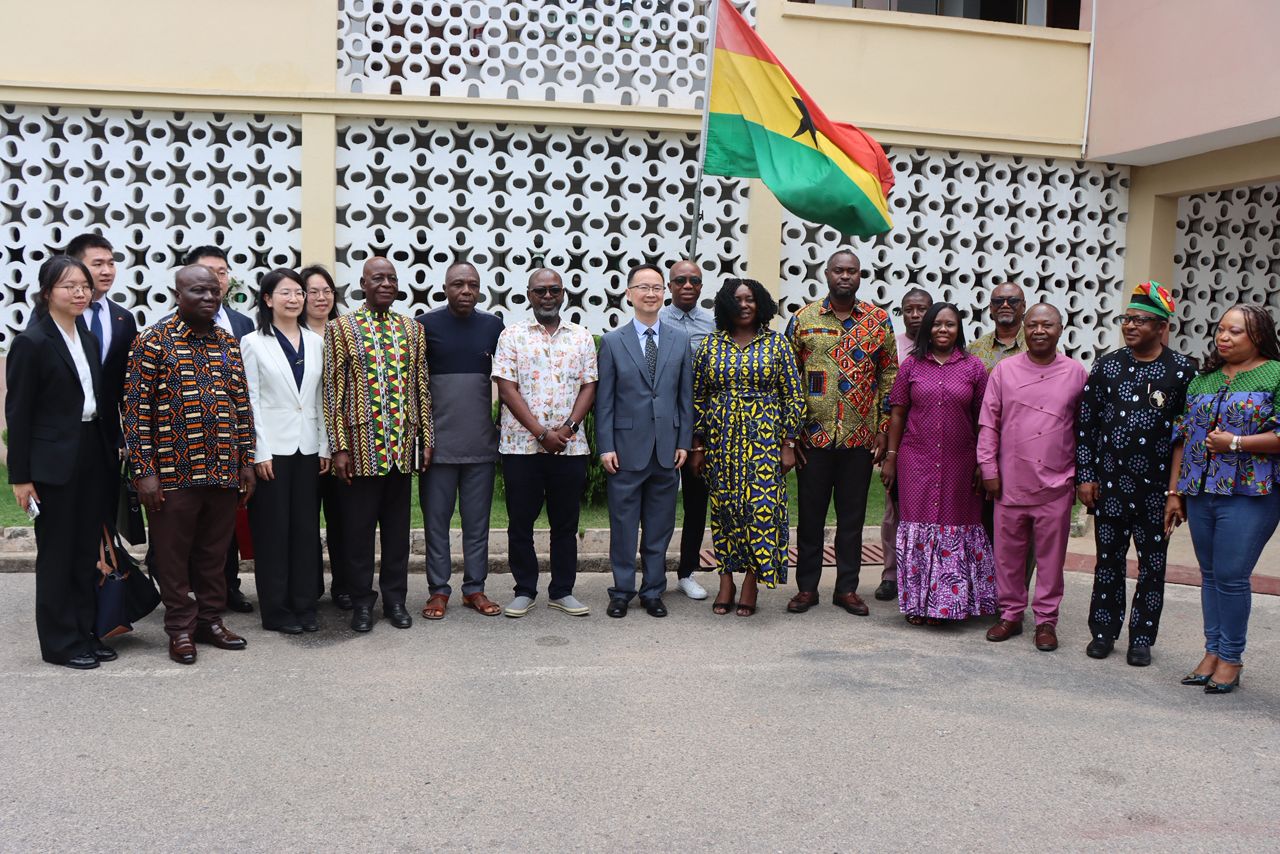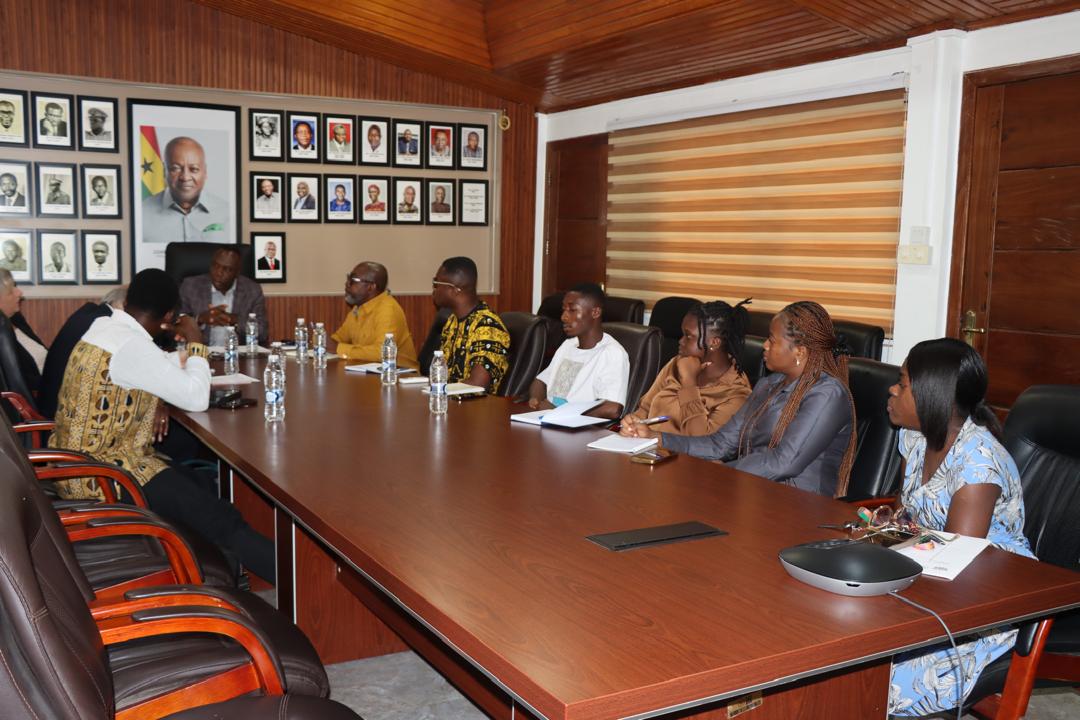
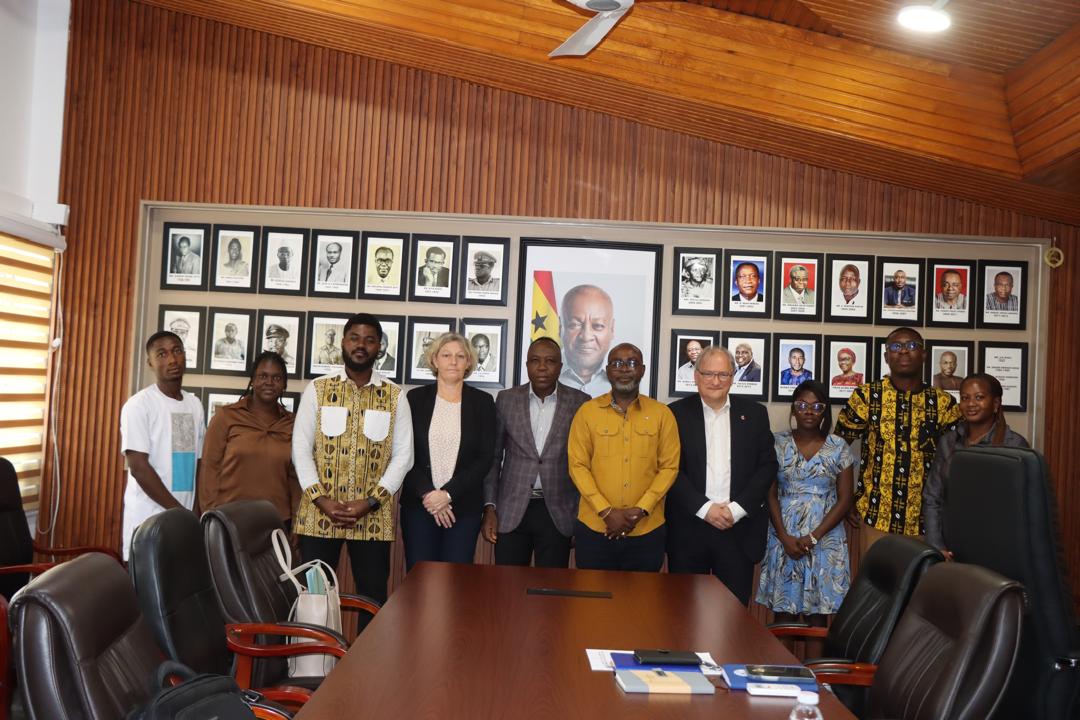
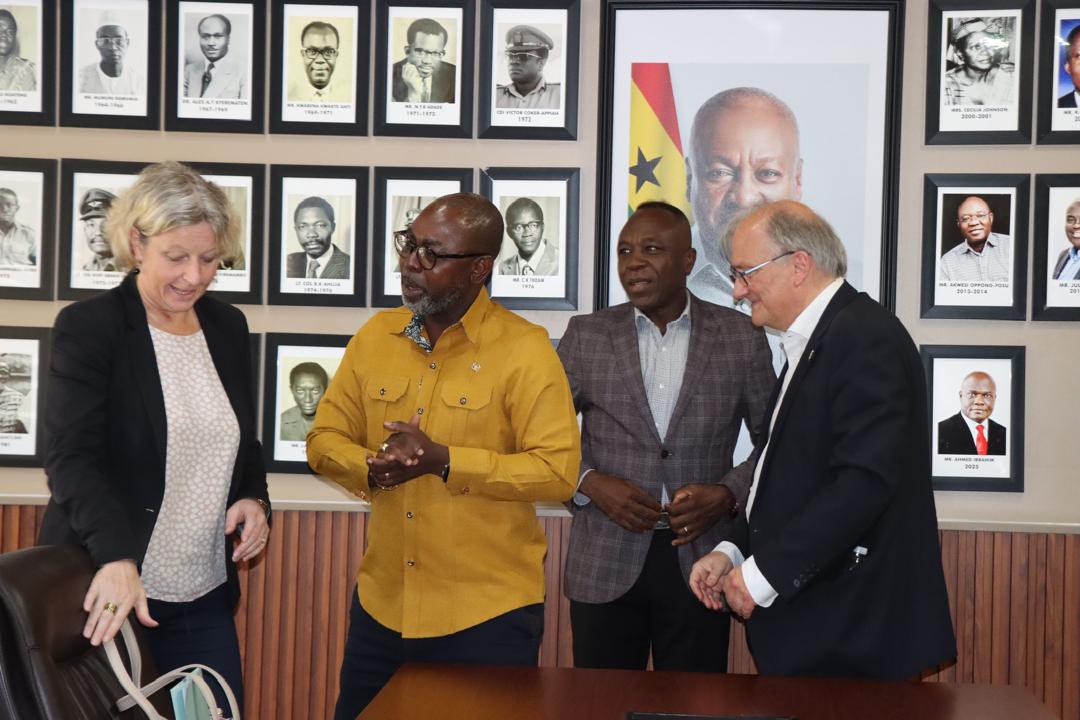
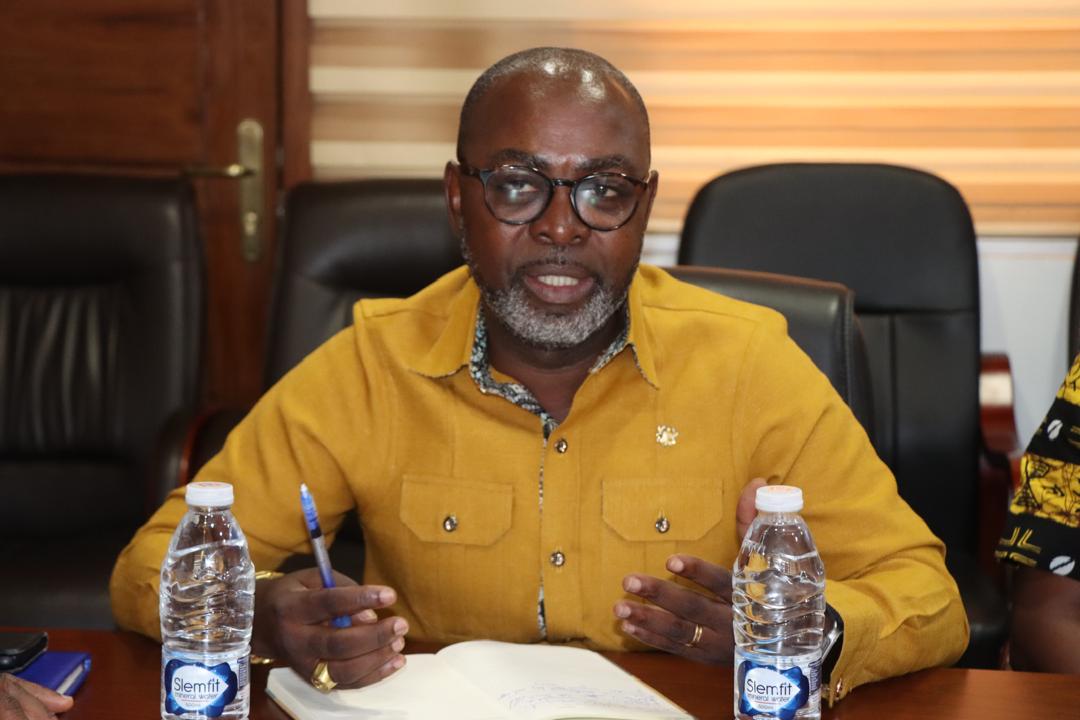
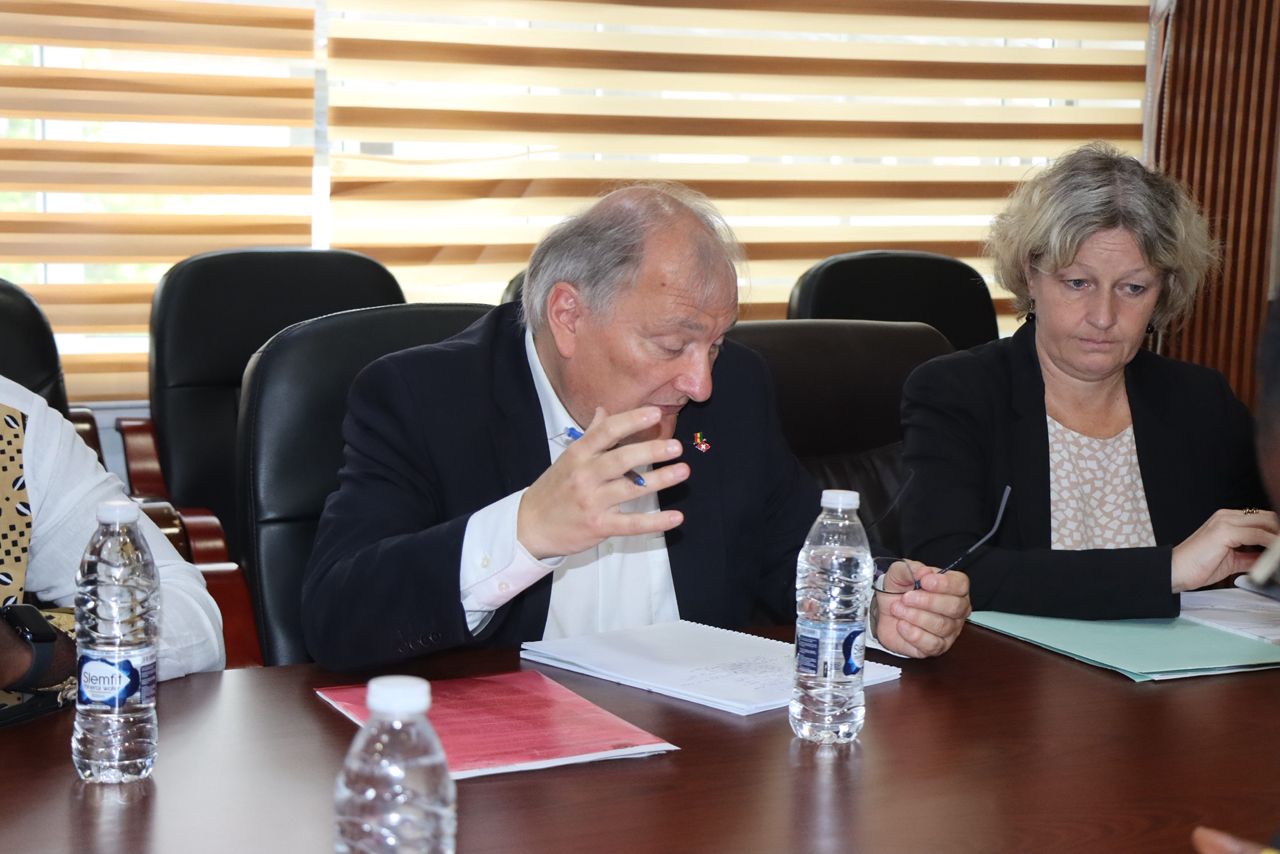
The Ministry of Local Government, Chieftaincy and Religious Affairs (MLGCRA) has taken a significant step toward improving urban mobility, following a high-level meeting with representatives of the Ghana Urban Mobility and Accessibility Project Mission (GUMAP) to finalise a key implementation agreement and roadmap.
At the centre of discussions was an urgent push to secure a formal agreement before the end of June, a timeline both parties say is critical to avoid delays linked to upcoming diplomatic transitions. The agreement, which requires approval from both the Minister of Finance and the sector ministry, is expected to unlock additional resources and trigger the next phase of the project.
Officials indicated that the Terms of Reference are expected to be finalised within four to six weeks, paving the way for the launch of a tender process and the selection of a project implementer. Once appointed, the implementer will undertake an inception phase lasting approximately three to four months, culminating in the development of a comprehensive implementation manual.
A major focus of the meeting was clarifying institutional roles across the multiple stakeholders involved, including ministries, metropolitan, municipal and district assemblies. Ministry officials explained that a central coordinating institution will oversee mobility planning, operating as a government-backed body in collaboration with regional councils and local authorities. To strengthen its effectiveness, government plans are underway to second staff to the institution to ensure alignment with national standards and legal frameworks.
The structure of leadership within the coordination framework also featured prominently in discussions. While the chairperson of the oversight body is traditionally appointed by the President, both parties proposed a more operational approach by empowering the Managing Director (MD) to serve in a leading role for the duration of the agreement. This, they noted, would ensure continuity, enable quicker decision-making, and provide the necessary authority for executing key project components.
In a move aimed at accelerating progress, the meeting also agreed to proceed with the procurement of a dedicated digital team independently of the main implementer. This decision is expected to allow technical work to begin early and run concurrently with other project activities.
With clear timelines, defined roles, and early technical interventions outlined, the ministry expressed confidence that the collaboration with GUMAP will mark a turning point in delivering coordinated, efficient, and sustainable urban mobility systems across the country.
SOURCE: Darling Maame Efua Cann
Public Relations Unit- MLGCRA